
 EN
EN

What Features Make a Walker More Comfortable to Use?
Aug.25.2025
What Features Make a Walker More Comfortable to Use?
A walker is a vital mobility aid for many people, providing stability and support during daily activities. However, if a walker is uncomfortable to use, it can discourage regular use, leading to reduced mobility and independence. The right features can transform a walker from a functional tool into a comfortable companion, making movement easier and more enjoyable. This guide explores the key features that enhance the comfort of a walker, helping users stay active and confident in their daily lives.
Adjustable Height Settings
One of the most important features for walker comfort is adjustable height. Every user has a unique height, and a walker that doesn’t fit properly can cause strain, pain, or even instability.
- How It Works: Adjustable height allows users to set the walker’s handles to match their arm length. When standing straight, the handles should be at wrist level, with elbows bent at a 15–30 degree angle. This position reduces pressure on the shoulders, back, and wrists.
- Why It Matters: A walker that’s too short forces users to hunch forward, straining the back and neck. One that’s too tall makes it hard to grip the handles securely, increasing fatigue. Most walkers have height-adjustable legs with push-button or pin locks, allowing easy changes to fit different users or even the same user in different shoes (e.g., slippers vs. sneakers).
- Ideal Adjustment Range: Look for walkers that adjust from 28 to 38 inches in height, covering most adult users. This flexibility ensures a comfortable fit for people of varying heights, from shorter adults to taller individuals.
Padded Handles
The handles of a walker are where users grip most of the time, so their design directly impacts hand and wrist comfort.
- Padded Materials: Foam or gel-padded handles reduce pressure on the palms and fingers. They soften the grip, preventing soreness, blisters, or calluses—common issues for users who rely on their walker for hours daily.
- Ergonomic Shape: Handles shaped to fit the natural curve of the hand (ergonomic design) distribute weight evenly across the palm. This reduces strain on the wrists and makes gripping easier, especially for users with arthritis or weak hand muscles.
- Non-Slip Surface: Padded handles often have a textured surface that prevents hands from slipping, even when sweaty. This adds safety while keeping the grip comfortable, as users don’t need to clamp down tightly to maintain control.
For maximum comfort, choose handles that are at least 4–6 inches long, providing enough space for different grip styles.
Lightweight and Easy-to-Lift Design
A heavy walker can be tiring to maneuver, especially for users with limited upper body strength. Lightweight materials and smart design make a walker easier to handle.
- Lightweight Frames: Walkers made from aluminum are much lighter (typically 6–10 pounds) than those made from steel (10–15 pounds). Aluminum is strong enough to provide stability while reducing the effort needed to lift, push, or fold the walker.
- Easy Folding Mechanism: A walker that folds quickly and easily is more comfortable to store and transport. Models with one-handed folding levers or automatic folding features save energy, especially for users with weak arms or limited dexterity.
- Balanced Weight Distribution: Even a lightweight walker can feel awkward if its weight is unevenly distributed. Look for walkers with a balanced frame that feels stable when lifted or pushed, reducing strain on one side of the body.
A lightweight walker reduces fatigue during use, making it easier to move around the house, travel, or navigate tight spaces.
Smooth-Rolling Wheels (for Rolling Walkers)
Traditional walkers with rubber tips require lifting, but rolling walkers (with wheels) glide forward, reducing effort. The right wheels enhance comfort by ensuring smooth movement.
- Wheel Size and Material: Small wheels (5–6 inches) work well for indoor use on smooth floors like tile or hardwood. Larger wheels (7–8 inches) are better for outdoor use or uneven surfaces like carpets, as they roll over bumps more easily. Rubber or polyurethane wheels are softer and quieter than plastic ones, providing a smoother ride.
- Swivel Casters: Front wheels that swivel 360 degrees make turning easier, reducing the need to lift the walker to change direction. This is especially helpful in tight spaces, like bathrooms or kitchens, where maneuverability is key.
- Wheel Locks: Rolling walkers should have easy-to-use locks on the wheels. When engaged, locks keep the walker stable during tasks like standing up from a chair or sitting down, adding safety without sacrificing comfort.
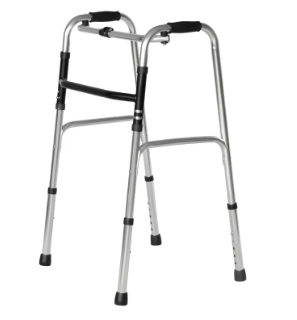
Smooth-rolling wheels reduce the effort needed to move the walker, making long walks or daily tasks less tiring.
Wide, Stable Base with Non-Slip Tips
Stability is essential for comfort—users need to feel secure to move confidently. A wide base and non-slip tips provide this stability.
- Wide Base Design: A walker with a wider base (typically 24–30 inches between the outer legs) feels more stable, reducing the risk of tipping. This is especially important for users with balance issues, as a stable base lets them focus on movement rather than staying upright.
- Non-Slip Rubber Tips: The legs of traditional walkers (without wheels) have rubber tips that grip floors. High-quality rubber tips with a textured surface prevent slipping on wet or smooth floors, like bathroom tiles or polished wood. Replace tips regularly (every 3–6 months) as they wear down to maintain grip.
- Shock-Absorbing Tips: Some walkers have shock-absorbing tips that reduce vibrations when moving over uneven surfaces. This minimizes jolts to the hands and arms, making the walker more comfortable to use on rough ground.
A stable base with non-slip tips ensures users feel safe and supported, reducing anxiety and fatigue during use.
Foldable and Compact for Storage
A walker that’s easy to store when not in use reduces clutter and makes daily life more convenient, indirectly enhancing comfort.
- Compact Folding: Walkers that fold to a narrow width (less than 10 inches) fit easily in closets, car trunks, or small spaces. This is especially useful for users living in apartments or traveling frequently.
- Portable Design: Lightweight, foldable walkers are easy to take on trips, allowing users to maintain their mobility and comfort away from home. Look for models that come with a carrying bag for added convenience.
- Quick Setup: After folding, the walker should unfold quickly with minimal effort. Models that “pop open” automatically or with a simple pull reduce frustration, making users more likely to use the walker when needed.
Easy storage means the walker is always accessible when needed, without becoming a cumbersome obstacle in the home.
Additional Comfort Features
- Seat Attachment: Some walkers (called “rollator walkers”) come with a built-in seat, but even traditional walkers can add a detachable seat. A seat lets users rest when tired, making long walks or outings more comfortable.
- Backrest: A detachable backrest provides support when sitting on a walker seat, reducing strain on the lower back during rest breaks.
- Storage Pockets: Built-in pockets or bags attached to the walker let users carry essentials like keys, phones, or medications. This eliminates the need to hold items while walking, reducing hand fatigue.
FAQ
How do I know if my walker is adjusted to the right height?
Stand straight with your arms hanging naturally. The walker’s handles should align with your wrists. When you grip the handles, your elbows should bend slightly (15–30 degrees). If your shoulders hunch or your arms feel straight, adjust the height.
Are padded handles worth the extra cost?
Yes, especially for users who use their walker daily. Padded handles reduce hand pain, blisters, and fatigue, making the walker more comfortable to use for long periods.
Can a lightweight walker still be stable?
Absolutely. Modern aluminum walkers are lightweight but strong, with wide bases that provide excellent stability. Look for models with a weight capacity of at least 250 pounds to ensure strength.
What’s the best type of wheel for indoor use?
Small (5–6 inch) swivel wheels made of rubber or polyurethane work best for indoor use. They roll smoothly on tile, hardwood, and carpet without scratching floors.
How often should I replace the rubber tips on my walker?
Replace tips every 3–6 months, or sooner if they show signs of wear (flattening, cracks, or smoothness). Worn tips reduce grip and stability, making the walker less safe and comfortable.