
 EN
EN

What Are the Benefits of Using a Rollator Walker?
Aug.22.2025
What Are the Benefits of Using a Rollator Walker?
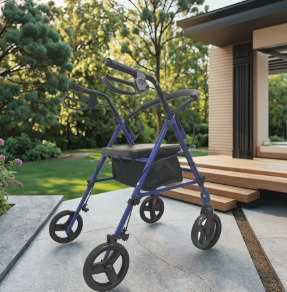
A rollator walker is a versatile mobility aid designed to support users while walking, combining stability, convenience, and comfort in one device. Unlike traditional walkers, which require lifting, rollator walkers feature four wheels, hand brakes, a built-in seat, and often storage options. These features make them a popular choice for older adults, individuals recovering from injuries, or anyone with mild to moderate mobility challenges. But what exactly makes a rollator walker beneficial? This guide explores the key advantages of using a rollator walker, from enhancing safety to promoting independence in daily life.
Enhanced Safety and Stability
One of the primary benefits of a rollator walker is the improved safety it provides during movement. Falls are a major concern for those with mobility issues, and rollator walkers are designed to reduce this risk:
- Stable Base with Wheels: Rollator walkers have a wide, sturdy frame with four wheels that provide a stable foundation. The wheels are often equipped with rubber tires that grip floors, whether indoors (tile, hardwood) or outdoors (sidewalks, grass), reducing slips on smooth or uneven surfaces.
- Controllable Brakes: Most rollator walkers feature hand brakes similar to those on a bicycle—users can slow down, stop, or lock the wheels when standing still. This control is especially useful on slopes, when getting up from the seat, or when navigating busy areas, preventing the rollator from moving unexpectedly.
- Reduced Risk of Overexertion: By supporting part of the user’s weight, rollator walkers reduce strain on legs and joints, lowering the chance of losing balance due to fatigue. This is critical for users with arthritis, muscle weakness, or conditions that cause instability.
For many users, the added stability of a rollator walker means fewer falls and more confidence when moving around their home or community.
Increased Mobility and Independence
Mobility aids like rollator walkers empower users to maintain their independence by making it easier to perform daily activities:
- Easier Movement Without Lifting: Unlike traditional walkers that require lifting and repositioning with each step, rollator walkers glide smoothly. Users simply push the frame forward, which reduces effort and allows for a more natural walking rhythm. This makes it possible to walk longer distances without tiring quickly.
- Access to More Spaces: Rollator walkers are designed to navigate various environments, from narrow indoor hallways to outdoor parks. Larger wheels (8–10 inches) on some models handle gravel, grass, or uneven sidewalks, letting users enjoy outdoor activities like walking the dog or visiting a garden—activities that might otherwise be difficult.
- Support for Daily Tasks: With a rollator walker, users can move more freely around the house, making it easier to cook, clean, or fetch items without relying on others. This independence boosts self-esteem and quality of life.
For those who want to stay active, a rollator walker removes barriers to movement, enabling participation in social events, errands, and hobbies.
Built-In Comfort and Convenience
Rollator walkers are designed with user comfort in mind, featuring practical additions that enhance daily use:
- Integrated Seat for Resting: One of the most loved features of a rollator walker is its built-in seat. Users can stop and sit whenever they feel tired, whether while waiting in line at the grocery store, taking a break during a walk, or resting between tasks at home. This reduces fatigue and makes longer outings possible.
- Adjustable Height Settings: Most rollator walkers have handles that can be adjusted to match the user’s height. Proper height ensures that the user’s elbows are slightly bent when gripping the handles, reducing strain on shoulders and back during use.
- Padded Seats and Handles: Many models include padded seats for comfort during rest breaks and padded handles to reduce hand fatigue. This is especially beneficial for users who spend extended periods using their rollator walker.
These comfort features make using a rollator walker a more pleasant experience, encouraging regular use and activity.
Storage Solutions for Daily Needs
Rollator walkers often come with built-in storage, solving a common challenge for users who need to carry items while moving:
- Baskets or Pouches: Most rollator walkers include a basket under the seat or a pouch attached to the frame. These storage options can hold groceries, medications, a water bottle, a phone, or personal items, eliminating the need to carry a bag or ask for help.
- Easy Access to Essentials: Having storage within reach means users can keep important items close by, whether they’re at home, shopping, or visiting a friend. This convenience reduces trips back and forth to retrieve forgotten items.
For example, a user can carry their keys, wallet, and a snack in the rollator’s basket while walking to the park, making the outing more enjoyable and self-sufficient.
Promotes Physical Activity and Health
Staying physically active is vital for overall health, but mobility issues can make exercise difficult. Rollator walkers encourage activity by providing the support needed to move more:
- Encourages Regular Walking: With the stability and rest option of a rollator walker, users are more likely to walk daily, whether around the neighborhood, a mall, or their home. Regular walking improves cardiovascular health, strengthens muscles, and boosts mood.
- Reduces Muscle Atrophy: Using a rollator walker helps maintain leg and core strength by allowing controlled movement. This can slow muscle loss associated with inactivity, especially in older adults or those recovering from illness.
- Supports Mental Well-Being: Being able to move independently and engage in activities reduces feelings of isolation and depression. Social outings, walks with friends, or even a trip to the store become possible, fostering connection and happiness.
By making activity easier and safer, rollator walkers contribute to both physical and mental health.
Suitable for a Range of Mobility Needs
Rollator walkers are versatile and can adapt to different users and situations:
- Adjustable for Different Users: With height-adjustable handles and varying weight capacities (most support 250–300 pounds, with heavy-duty models up to 500 pounds), rollator walkers work for users of different sizes and strength levels.
- Indoor and Outdoor Use: Compact rollator walkers with smaller wheels (6–7 inches) are ideal for indoor use, fitting through narrow doorways. Larger models with 8–10 inch wheels handle outdoor terrain, making them suitable for users who enjoy spending time outside.
- Temporary or Long-Term Use: Rollator walkers are useful for both short-term recovery (e.g., after knee surgery) and long-term mobility needs (e.g., chronic arthritis). They can be easily stored when not in use, making them a flexible solution.
FAQ
Who can benefit most from a rollator walker?
Rollator walkers are best for users with mild to moderate mobility issues, such as older adults, individuals recovering from injuries, or those with conditions like arthritis or Parkinson’s disease. They work well for anyone who can walk independently but needs support to prevent fatigue or falls.
Are rollator walkers difficult to use?
No, most rollator walkers are easy to learn to use. The brakes are simple to operate (push-down or loop-style), and the wheels glide smoothly. Users typically adapt quickly, especially with a little practice.
Can a rollator walker be used on stairs?
Rollator walkers are not designed for stairs. Users should avoid using them on steps, as the wheels can slip. For stairs, a different aid like a cane or stairlift is safer.
How do I choose the right size rollator walker?
The rollator should fit your height: when standing, your hands should rest comfortably on the handles with elbows bent at a 15–30 degree angle. Most models have adjustable height settings. Also, ensure the seat is wide enough for comfort (typically 12–18 inches).
Do rollator walkers require maintenance?
Yes, but maintenance is minimal. Check the brakes regularly to ensure they work properly, keep the wheels clean, and tighten any loose screws. Lubricating the wheels occasionally can help them roll smoothly.