
 EN
EN

How to Choose the Right Walker for Elderly Mobility?
Aug.31.2025
How to Choose the Right Walker for Elderly Mobility?
Choosing the right walker is crucial for elderly individuals looking to maintain mobility, safety, and independence. As we age, balance, strength, and endurance can decline, making a reliable walker an essential tool for daily activities. However, with so many types and features available, finding the best walker for an elderly person’s needs can be overwhelming. This guide breaks down the key factors to consider, from mobility level to comfort features, ensuring you select a walker that supports safety, ease of use, and quality of life.
Why the Right Walker Matters for Elderly Mobility
For older adults, a walker is more than just a mobility aid—it’s a tool that promotes independence, reduces fall risks, and allows participation in daily activities like walking around the house, visiting friends, or running errands. The wrong walker, however, can cause discomfort, instability, or even discourage use, leading to reduced activity and increased reliance on others. A well-chosen walker fits the user’s physical abilities, living environment, and lifestyle, making movement safer, easier, and more enjoyable.
Types of Walkers for Elderly Users
Understanding the different types of walkers is the first step in choosing the right one. Each type serves different mobility needs:
1. Standard Walker (Traditional Walker)
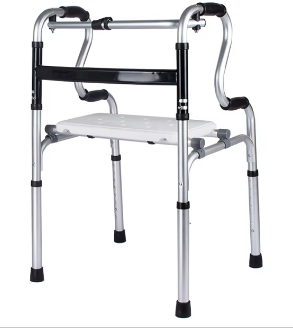
A standard walker has a simple frame with four legs and no wheels. Users lift the frame and place it forward to move.
- Best For: Elderly individuals with severe balance issues, weak leg muscles, or those recovering from surgery (e.g., hip or knee replacement). It offers maximum stability but requires upper body strength to lift.
2. Rolling Walker (Two-Wheel Walker)
This walker has two wheels on the front legs and rubber tips on the back legs. Users push it forward without lifting, as the front wheels glide.
- Best For: Those with moderate balance issues who can walk short distances but need support. It’s easier to use than a standard walker and requires less upper body strength.
3. Rollator Walker (Four-Wheel Walker)
A rollator has four wheels, hand brakes, a built-in seat, and often storage. It’s designed for smoother movement and includes features for rest and convenience.
- Best For: Elderly users with mild to moderate mobility issues who want to walk longer distances. The seat allows resting, and brakes provide control, making it ideal for outdoor use or errands.
4. Knee Walker
A knee walker has a platform for the knee to rest on, with wheels for hands-free movement. It’s used by those with injuries to one leg.
- Best For: Temporary use after leg surgery or injury, but less common for general elderly mobility needs.
Key Factors to Consider When Choosing a Walker
1. Mobility Level and Strength
The walker must match the user’s ability to walk and maintain balance:
- Severe Balance Issues: Choose a standard walker for maximum stability. Its four legs provide a wide base, reducing the risk of tipping.
- Moderate Mobility Needs: A rolling walker (two wheels) offers support with easier movement, suitable for those who can walk but tire quickly.
- Mild Mobility Challenges: A rollator walker is ideal for active seniors who want to walk longer distances. The seat and brakes add convenience and safety.
Consider how much assistance the user needs: Do they require full weight support, or just a little help with balance? This determines the type of walker needed.
2. Adjustability for Proper Fit
A walker that fits poorly can cause pain, strain, or instability. Look for these adjustable features:
- Height Adjustment: The handles should align with the user’s wrists when standing straight, with elbows bent at a 15–30 degree angle. Most walkers have adjustable legs with push-button or pin locks to set the right height (typically 28–38 inches).
- Width: The walker should be narrow enough to fit through doorways (standard doorways are 24–30 inches wide) but wide enough to provide stability. A width of 24–28 inches works for most users.
A proper fit ensures the user can grip the handles comfortably, reducing shoulder, back, and wrist strain.
3. Weight and Portability
Elderly users may need to lift or store the walker, so weight and portability are key:
- Lightweight Frames: Aluminum walkers weigh 6–10 pounds, making them easier to lift than steel models (10–15 pounds). This is important for users with weak arms or those who need to load the walker into a car.
- Folding Design: A walker that folds flat saves space in closets, cars, or small homes. Look for one-handed folding mechanisms, which are easier for elderly users to operate.
- Compact Storage: Rollators and rolling walkers should fold to a width of 10–15 inches for easy storage. Some models even come with a carrying bag for travel.
4. Safety Features
Safety is the top priority for elderly users. Look for these features:
- Non-Slip Tips/Wheels: Standard walkers need rubber tips with a textured surface to grip floors, preventing slips on tile or hardwood. Rolling walkers and rollators should have rubber or polyurethane wheels that don’t skid.
- Brakes (for Rollators): Rollators must have easy-to-use brakes. Push-down brakes lock when pressed, while loop brakes (like bicycle brakes) require squeezing—choose whichever is easier for the user to operate.
- Sturdy Frame: The walker should support the user’s weight. Most standard walkers hold 250–300 pounds, but heavy-duty models (up to 500 pounds) are available for larger users.
- Stable Base: A wide base with legs spaced evenly provides better stability. Avoid walkers that feel wobbly when pushed or leaned on.
5. Comfort Features
Comfort encourages regular use, so look for features that reduce fatigue:
- Padded Handles: Foam or gel-padded handles reduce pressure on hands, preventing soreness or blisters—essential for users with arthritis or weak grip.
- Seat and Backrest (Rollators): A padded seat lets users rest during walks, while a backrest supports the spine. The seat should be at least 12–18 inches wide for comfort.
- Ergonomic Design: Handles shaped to fit the hand’s natural curve reduce wrist strain. Some walkers also have adjustable handle angles for a custom fit.
6. Lifestyle and Environment
The walker should fit the user’s daily activities and living space:
- Indoor Use: A narrow, lightweight walker (standard or two-wheel) works best for small homes with tight spaces like bathrooms or hallways.
- Outdoor Use: A rollator with large wheels (8–10 inches) handles sidewalks, grass, and uneven surfaces better than small wheels.
- Travel: A folding, lightweight rollator or rolling walker is easier to take on trips, allowing the user to maintain mobility away from home.
- Daily Errands: Rollators with storage baskets or pouches are convenient for carrying groceries, medications, or a phone during outings.
Common Mistakes to Avoid
- Choosing a Walker That’s Too Heavy: A heavy walker can be tiring to maneuver, discouraging use. Opt for lightweight aluminum models.
- Ignoring Adjustability: A walker that’s too tall or short causes strain. Always check height adjustability before buying.
- Overlooking Brake Ease: Rollator brakes that are hard to squeeze or lock can be dangerous. Test brakes with the user to ensure they’re easy to operate.
- Prioritizing Price Over Quality: Cheap walkers may lack stability or durability. Invest in a well-made model from a reputable brand to ensure safety.
FAQ
How do I know if my elderly loved one needs a walker?
Signs include unsteadiness while walking, frequent falls, difficulty standing for long periods, or relying on furniture for support. A physical therapist can assess mobility needs and recommend the right type.
Is a rollator or standard walker better for seniors?
It depends on mobility level. Rollators are better for active seniors who walk longer distances and need to rest. Standard walkers are safer for those with severe balance issues or weakness.
Can a walker be used on carpet?
Yes, but choose the right type. Standard walkers with rubber tips work on low-pile carpet. Rollators with larger wheels (7–8 inches) handle high-pile carpet better than small wheels.
How often should a walker be replaced?
With proper maintenance, a walker can last 2–5 years. Replace it if the frame is bent, wheels are worn, or adjustments no longer work—signs that safety is compromised.
Are there walkers designed for elderly users with arthritis?
Yes. Look for walkers with padded, ergonomic handles, easy-grip brakes, and lightweight frames to reduce strain on painful joints.